

In a quiet pine forest, just half a kilometer west of the village of Studzianka in the Podlaskie Voivodeship, nestled on a small wooded hill near the Żelawa River, lies a mizar – a Muslim cemetery. It stands as one of the last surviving witnesses of the Polish–Lithuanian Tatar presence in this region.
The village of Studzianka, located in Hajnówka County within the Siemiatycze commune, was founded in 1697 when Polish King Jan III Sobieski granted land to a local community of Lipka Tatars. Along with land, the Tatar settlers received royal privileges: the freedom to practice Islam, to maintain their customs, and to preserve their language and traditions.

Shape and Spirit of the Mizar
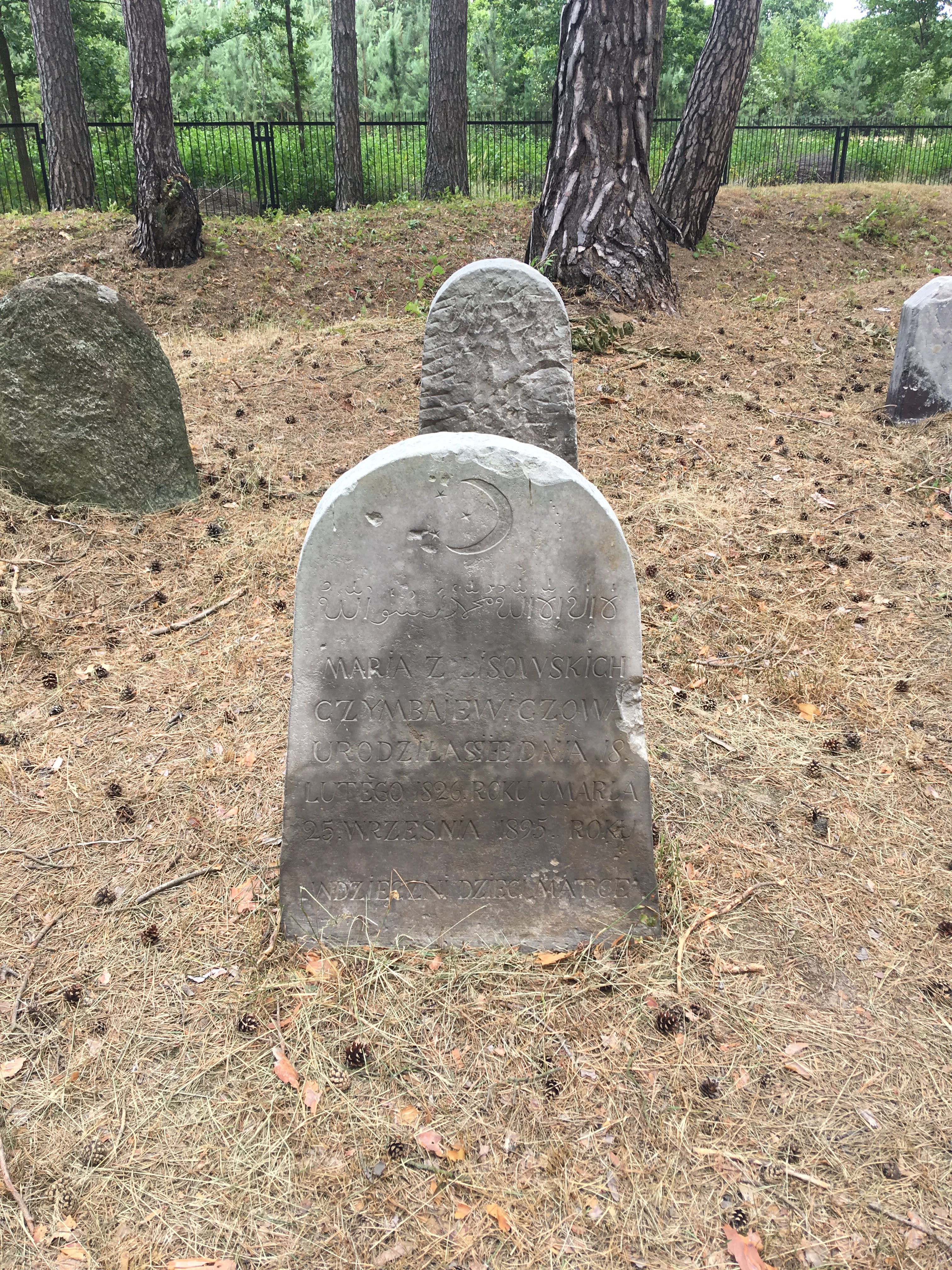
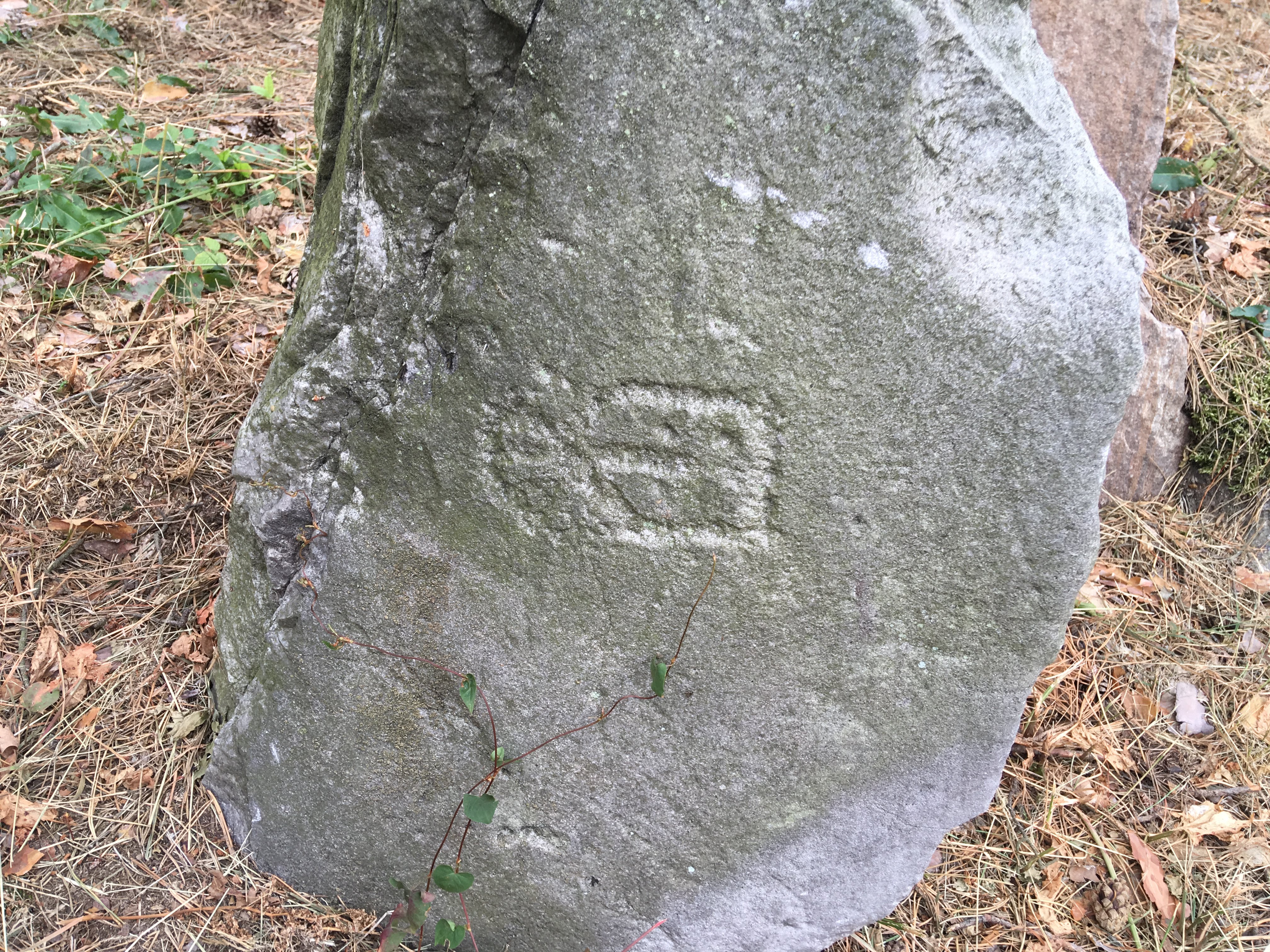
The cemetery, or mizar, has a polygonal layout and covers an area of approximately 0.8 hectares. Around 160 stone tombstones have survived to this day, many of them engraved with inscriptions in Arabic, Polish, and Russian, some dating as far back as the first half of the 18th century. In accordance with Islamic burial customs, all graves are oriented toward Mecca.
Several notable individuals are buried here, including General Józef Bielak and Colonel Jakub Azulewicz, both respected military figures in the service of the Polish–Lithuanian Commonwealth. The last burial at the cemetery took place in 1938; the cemetery was then closed, and World War II marked the end of continuous Muslim life in Studzianka.
A Lost Mosque and the Burning of 1915
Studzianka was once home to a wooden mosque, built in 1817. Its architectural form was similar to the mosque in Bohoniki, with a small tower-like structure called a sygnaturka. In 1915, as Russian (Cossack) troops retreated from the area during World War I, the mosque was burned down. Today, a primary school stands on the site, but locals still refer to the place by the traditional name “meczetisko” – meaning “the mosque site.”
Memory and Heritage
Until 1795, Studzianka belonged to the Grand Duchy of Lithuania, and throughout the 19th century, it remained home to around 20 Tatar families. Though the local Tatar population dwindled over the 20th century, the legacy of this community lives on. The Museum of Polish Tatar Culture located in Studzianka preserves their cultural and religious heritage, offering visitors a chance to explore the unique history of Polish–Lithuanian Tatars in Podlasie.


 Czech Language Lessons & Translations