
Gabowe Grądy is a village in northeastern Poland, located in the Podlaskie Voivodeship. The village’s name comes from the Polish word “gab” (elm) and “grąd” (hillock).
In 1943, during World War II, Gabowe Grądy was burned down by Nazi forces. However, the village was rebuilt after the war.
Gabowe Grądy is notable for being one of the main centers of Old Believers in Poland. The Old Believers are a Christian denomination that emerged in Russia in the 17th century in protest against the reforms of Patriarch Nikon. In the 1860s, a group of Old Believers settled in Gabowe Grądy, and today the village is almost entirely inhabited by their descendants.
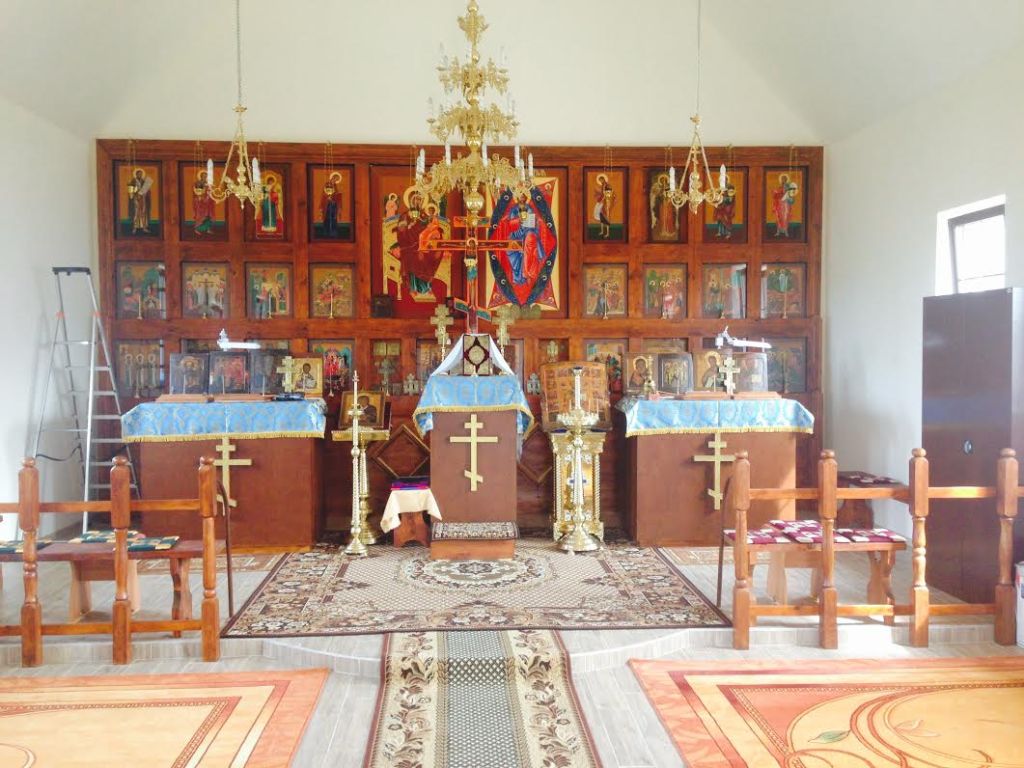
The village has a wooden prayer house, or molenna, which was built in 1948 by the villagers themselves. The molenna is a traditional structure with a hip roof and an onion-shaped dome.
The Old Believers are a Christian denomination that emerged in the 17th century in Russia in opposition to the liturgical reforms introduced by Patriarch Nikon of Moscow.
Nastawnik
Nastawnik is a leader in the Old Believer community, though unlike a priest in other Christian traditions, they are not ordained clergy. Nastawniks are typically chosen by the community and are responsible for leading prayers and performing certain religious functions.
Mieczysław Kapłanow
Mieczysław Kapłanow was elected as the new chaplain (referred to as “nastawnik” in Polish) for the village’s Old Believer church in 2004.
Mieczysław Kapłanow was also the chairman of the Naczelna Rada Wschodniego Kościoła Staroobrzędowego (Chief Council of the Eastern Old Believer Church) in Poland. He played a vital role in preserving the Old Believer traditions and culture in the region.
- He was from the village of Gabowe Grądy and even though he resided in Białystok, he visited the village at least once a week.
- He was known for his efforts to dispel misconceptions about the Old Believers and to promote a better understanding of their faith and way of life.
- He was interviewed in a film documenting the 150th anniversary of the village of Gabowe Grądy, which shed light on the history and traditions of the Old Believers in the region.
Old Believers
The term Staroobrzędowcy (Polish for “Old Believers”) refers to a branch of Eastern Orthodox Christianity that rejected liturgical reforms introduced in the mid-17th century by Patriarch Nikon of Moscow.
Here’s a breakdown of their key aspects:
- Origin: The schism arose between 1652 and 1666 due to Patriarch Nikon’s attempts to align the rituals of the Russian Orthodox Church with those of the Greek Orthodox Church. the Old Believers viewed these changes as heretical and clung to the older practices.
- Doctrinal Differences: Their core beliefs largely mirror those of mainstream Orthodoxy. The key distinction lies in their strict adherence to pre-Nikon liturgy and rituals. They consider even minor deviations from these traditions to be sinful.
- Historical Persecution: Facing persecution by both religious and secular authorities in Russia, many Staroobrzędowcy fled the country.
- Presence in Poland: Poland, particularly the Suwałki-Sejny region and parts of Warmia and Mazury, became a sanctuary for these refugees. You can find the Old Believer communities and their distinctive houses of worship (molennas) in these areas even today.
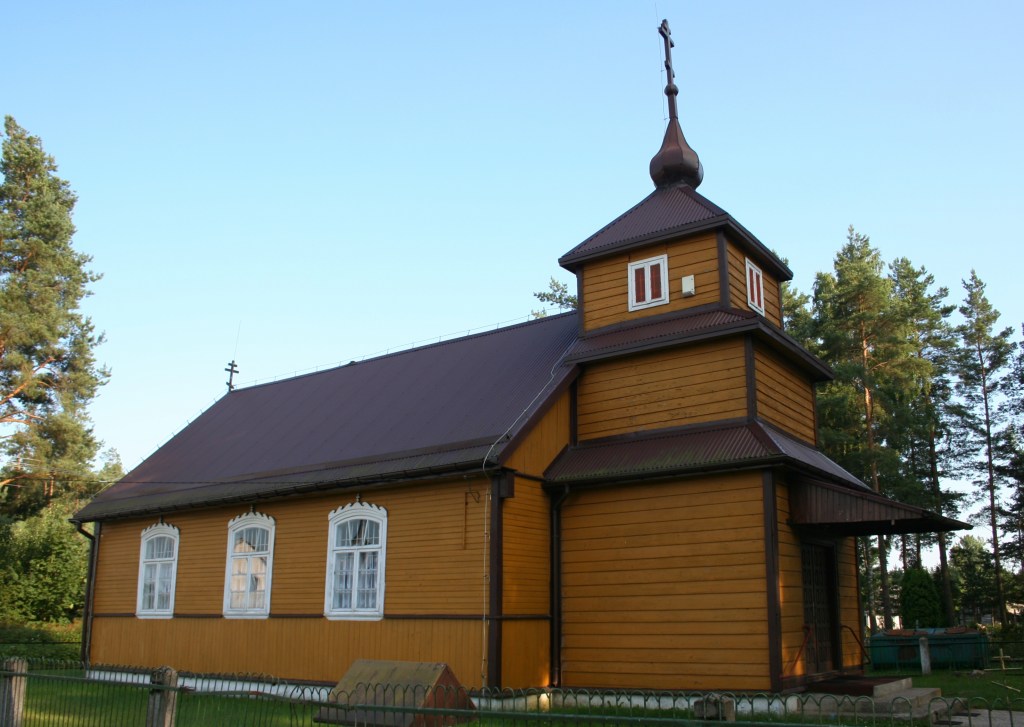
Molenna: A House of Prayer
Molenna is a term used primarily in Polish and Russian to describe a place of worship belonging to Old Believers. These are Eastern Orthodox Christians who rejected the reforms of the Russian Orthodox Church in the 17th century.
Key Characteristics of a molenna:
- Often wooden and modestly decorated.
- They adhere to the pre-17th century Orthodox liturgical practices.
- Molennas serve as important gathering places for Old Believer communities.

 Czech Language Lessons & Translations